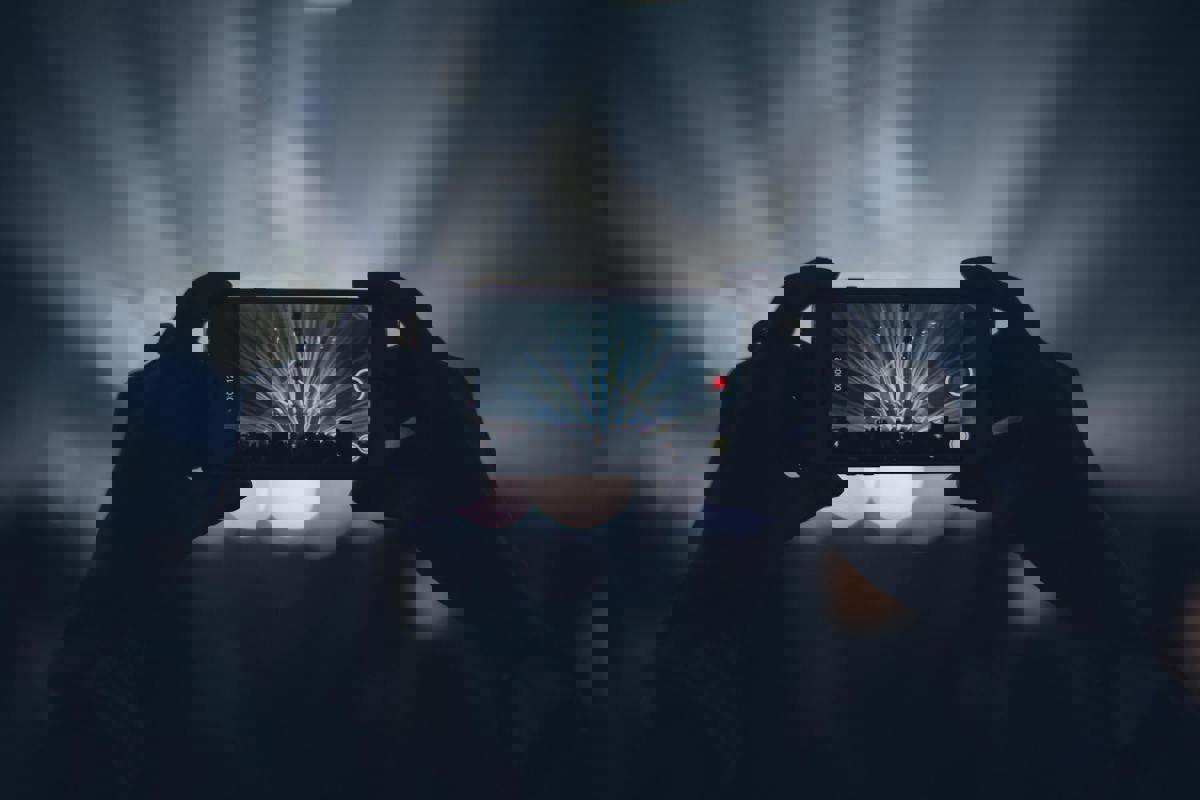
On a sunny afternoon, a group of teenagers huddled around their smartphones, preparing to film local life on the streets that had shaped their childhoods. These young aspiring filmmakers are part of a dynamic initiative that puts the power of storytelling directly into their hands. Using just their phones, participants are learning how to document overlooked aspects of their communities—stories rarely captured by mainstream media.
The youth project, backed by local organisations and professional mentors, offers workshops in documentary filmmaking specifically tailored for beginners. Participants as young as thirteen receive instruction in cinematography, interview techniques, and the ethical considerations behind nonfiction storytelling. The programme aims not only to equip teenagers with practical skills but also to encourage critical thinking about the way their neighbourhoods are depicted in media.
One of the project leaders, filmmaker Sarah Mullen, explained that accessibility was key: 'Almost every young person has a smartphone these days. We wanted to remove financial and technical barriers, focusing on creativity and authenticity.' The workshops emphasise that compelling films can emerge from everyday experiences, and that sophisticated equipment is not a prerequisite for meaningful storytelling.
Throughout the programme, mentors model the entire documentary process, from idea generation and storyboarding to editing final cuts on free mobile apps. Young participants brainstorm topics that matter to them, ranging from intergenerational wisdom to the quiet resilience of local shopkeepers. This approach ensures that each film reflects unique personal perspectives, challenging stereotypes and broadening the narratives available within the community.
Seventeen-year-old Aisha Khan, whose short film focused on a local gardening club, shared her experience: 'I learned how important it is to ask the right questions and listen closely. Some people have incredible stories—they just need someone to witness them.' Many students report a newfound sense of connection with their environment, as the project encourages them to engage directly with individuals they might otherwise overlook.
According to recent studies by UK youth arts charities, empowering teenagers through creative media can significantly boost self-confidence and civic participation. Jane Robson, a youth worker involved in the initiative, noted the ripple effect: 'When young people feel their voices matter, that has a visible impact—not just in their films but in the way they engage with their neighbours and local issues.'
The finished films are far more than class projects. They are screened at neighbourhood events, local cinemas, and shared on social media platforms, reaching wider audiences. These screenings often spark dialogue, with community members reflecting on their own lives and recognising shared experiences depicted on screen. Feedback from audiences consistently highlights the authenticity and originality brought forth by the youth filmmakers.
Digital platforms further amplify the reach of these documentaries. By uploading their work to YouTube and Instagram, participants connect with viewers beyond their immediate locale—sometimes even inspiring other youth-led projects. The initiative’s organisers provide guidance on responsible online sharing and digital safety, ensuring participants are equipped to navigate the complexities of the internet age.
As part of the evaluation process, participants are encouraged to reflect on the impact their films have had, both personally and within the broader community. Many describe feeling proud of their contributions and express interest in pursuing further study or careers in media, journalism, or social advocacy. Alumni of the programme have gone on to mentor newcomers, creating a sustainable cycle of empowerment and skill-sharing.
Looking ahead, organisers hope to expand the project, partnering with schools and youth groups to reach even more aspiring filmmakers. With funding from local authorities and national arts bodies, additional workshops are planned that will cover topics such as animation, advanced editing, and podcasting. The ultimate goal remains steadfast: to provide young people with the tools and confidence they need to give voice to the hidden stories all around them.