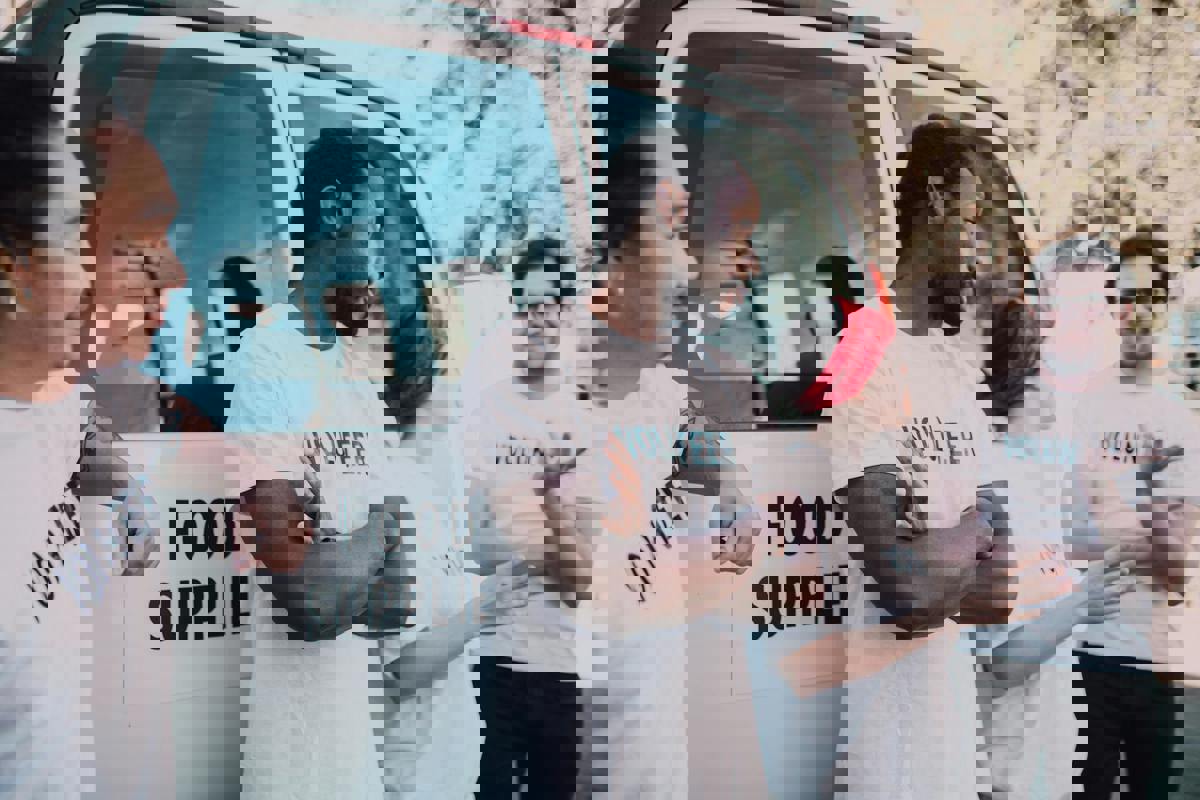
A grassroots organisation has made it its mission to transform the way communities tackle food waste, by redistributing surplus produce from supermarkets to families in need. As food insecurity continues to challenge many households, volunteers from the group step in each day to collect unsold items destined for landfill, turning what would be waste into wholesome ingredients for meals. Their efforts are giving new life to food and hope to local residents.
Food waste remains a significant problem across the United Kingdom, with millions of tonnes discarded yearly despite increasing levels of poverty and hunger. Industry estimates suggest that supermarkets are responsible for around 190,000 tonnes of food waste annually, much of it still fit for human consumption. This grassroots initiative has taken direct action, seeing a tangible opportunity to bridge the gap between excess and need within their communities.
The group works closely with supermarket chains, independent grocers, and smaller corner shops to identify products no longer suitable for retail sale, yet perfectly good to eat. Expired best-before dates, damaged packaging, or overstocking can all result in items being pulled from shelves prematurely. Volunteers, equipped with crates and vehicles, make nightly rounds, gathering breads, fruits, vegetables, dairy, and even some frozen goods rescued from back rooms and stock trolleys.
According to project coordinator Janet Hughes, their system relies on trust and timely action with store managers. “We’re on a mission to show that one person’s surplus is another’s supper,” Hughes explains. “Most shop managers have been incredibly supportive. They see that we’re organised, safe, and able to clear stock out efficiently — it’s a win-win for everyone involved.” By working outside standard store hours, volunteers avoid disrupting regular business operations.
Once collected, the food isn’t left to languish in storage. The group operates a network of pop-up distribution stalls and collaborators, such as community centres and places of worship, where the rescued food is sorted, displayed, and offered to anyone who needs it — no questions asked. In some cases, they even deliver parcels directly to families or individuals unable to reach distribution points due to mobility or access challenges.
For many recipients, these redistributed groceries mean the difference between going hungry and serving a nourishing meal. Single parent Mark Sullivan shared that the service brought “a huge relief” during a rough patch. “I work shifts and sometimes run short at the end of the week,” Sullivan says. “Knowing there’s a place I can pick up some fruit and bread for my kids instead of throwing it away is a blessing.”
Statistics highlight the scope of the problem and the impact of such community action. According to WRAP, a UK charity working on waste reduction, each household throws away an average of £500 worth of edible food annually. Grassroots initiatives like this have collectively diverted thousands of tonnes from landfill over the past year, with estimates from the group itself indicating that over 40 tonnes have been saved from just one urban region this year.
The organisation doesn’t just redistribute food — it’s an engine for education and empowerment. Workshops are run alongside handouts, teaching families how to safely store, freeze, and cook with surplus ingredients. Nutritionists and chefs occasionally volunteer their time to demonstrate simple, affordable recipes using the varied produce on offer. This educational approach helps recipients make the most of what they receive and encourages long-term habits that can reduce waste at home.
Environmental advocates have praised the scheme for helping reduce the considerable carbon footprint associated with wasted food. When food ends up in landfill, it generates methane, a potent greenhouse gas. “Diverting edible food from landfill doesn’t just help people, it helps the planet,” said Dr. Emre Yildiz, an environmental scientist. “Efforts like these contribute tangibly to reducing emissions and conserving resources.”
The ripple effects of this project are being felt beyond immediate hunger relief. By fostering partnerships between local shops, charities, and residents, the group is weaving a tighter social fabric. Many volunteers report a renewed sense of community pride and personal purpose. Retiree Linda Matthews said, “It’s not just about food — it’s about neighbours looking after each other. Volunteering has given me a chance to connect and make a difference.”
Moreover, supermarkets themselves benefit from participating. Businesses see reduced disposal costs and gain recognition for supporting good causes. Several chains have even integrated this food redistribution model into their broader sustainability commitments. As a manager at a major supermarket chain shared anonymously, “It’s great business sense. Instead of waste, we create goodwill. And feedback from employees has been overwhelmingly positive, seeing firsthand the impact on customers’ lives.”
Looking ahead, the grassroots group has ambitious plans to expand its network and influence. They hope to acquire a refrigerated van for transporting dairy and meats safely, and are campaigning for broader adoption of similar projects at a national policy level. There is also interest in forging new collaborations with farmers, wholesalers, and manufacturers to capture surplus at earlier stages in the supply chain.
Despite its successes, challenges remain. Navigating food safety regulations, recruiting reliable volunteers, and securing funding are ongoing hurdles. Yet, the group’s resilience and commitment to its mission stand out. Advocates and officials alike are watching closely, hopeful that this model could inspire other communities grappling with both excess and need. As Janet Hughes affirms, “Every loaf we save and every meal we share is a small victory for people and planet alike.”